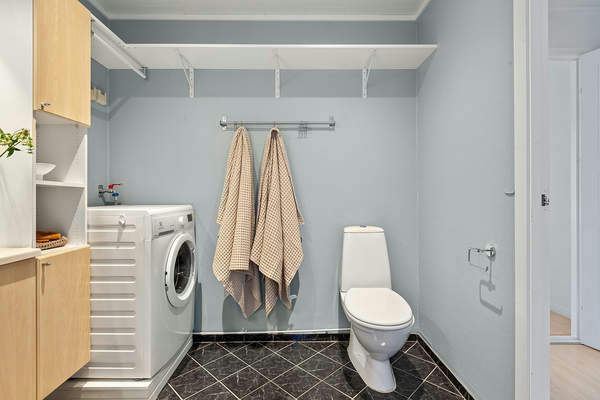
Modern plumbing systems are a cornerstone of household convenience, but they require careful usage to maintain functionality. Misusing toilets as a disposal system can lead to significant plumbing issues and costly repairs. Understanding what should and should not be flushed down the toilet is crucial for homeowners seeking to maintain a healthy home environment. This knowledge not only helps preserve the plumbing but also aligns with recommended industry practices.
Common Items to Avoid Flushing
Homeowners often overlook the implications of flushing improper items down the toilet. Notably, the following should never be disposed of in this manner:
- Wipes: Although some products are labeled as flushable, these wipes do not dissolve like toilet paper and can lead to blockages.
- Fats, Oils, and Grease: When introduced to the plumbing system, these substances can solidify and cause severe clogs.
- Personal Care Products: Items such as cotton balls, dental floss, and sanitary products do not break down quickly and can block pipes.
Impact on Plumbing and Environment
Flushing inappropriate items can have both immediate and long-term effects on home plumbing systems and the environment. The buildup of non-dissolvable materials can lead to:
- Frequent Clogs: Repeated blockages may require professional plumbing services to resolve.
- Sewage Backups: Severe obstructions can cause wastewater to back up into the home, posing health risks.
- Environmental Harm: Improper disposal contributes to pollution and affects water treatment facilities.
Industry Standards and Best Practices
Homeowners should adhere to plumbing industry standards to prevent issues. Regular maintenance and awareness of proper disposal methods align with best practices. Recommendations include:
- Using toilet paper exclusively, as it is designed to dissolve quickly in water.
- Regularly inspecting plumbing fixtures for visible leaks or damage.
- Consulting with a licensed plumber for any persistent plumbing issues.
Understanding these guidelines helps maintain the integrity of plumbing systems and supports environmental sustainability.
By following these recommendations, homeowners can minimize the risk of plumbing issues and protect their property. Engaging professional home inspection services can provide further insights into maintaining household systems efficiently.