The Dallas–Fort Worth metroplex is one of the fastest-growing regions in the country, known for its booming real estate market, unpredictable weather patterns, and diverse housing stock. But with growth and heat often comes a hidden problem lurking behind the walls: mold.
At Level Up Home Inspections, we specialize in comprehensive mold assessments designed to protect your home, your health, and your investment. Whether you’re a homeowner, buyer, seller, or property manager in DFW, mold isn’t something you can afford to ignore.
Why Mold is a Major Issue in North Texas
The climate in DFW creates the perfect storm for mold growth:
- High Humidity: Especially in spring and summer months.
- Heavy Rains & Flooding: Flash storms and occasional floods can quickly lead to water intrusion.
- Aging HVAC Systems: Many homes in the region struggle with poor ventilation and condensation problems.
- Rapid Construction: In newer suburbs, rushed building practices can result in hidden leaks and moisture traps.
“Mold can begin growing within 24 to 48 hours after moisture exposure.”
— U.S. Environmental Protection Agency (EPA)
What Is a Mold Assessment?
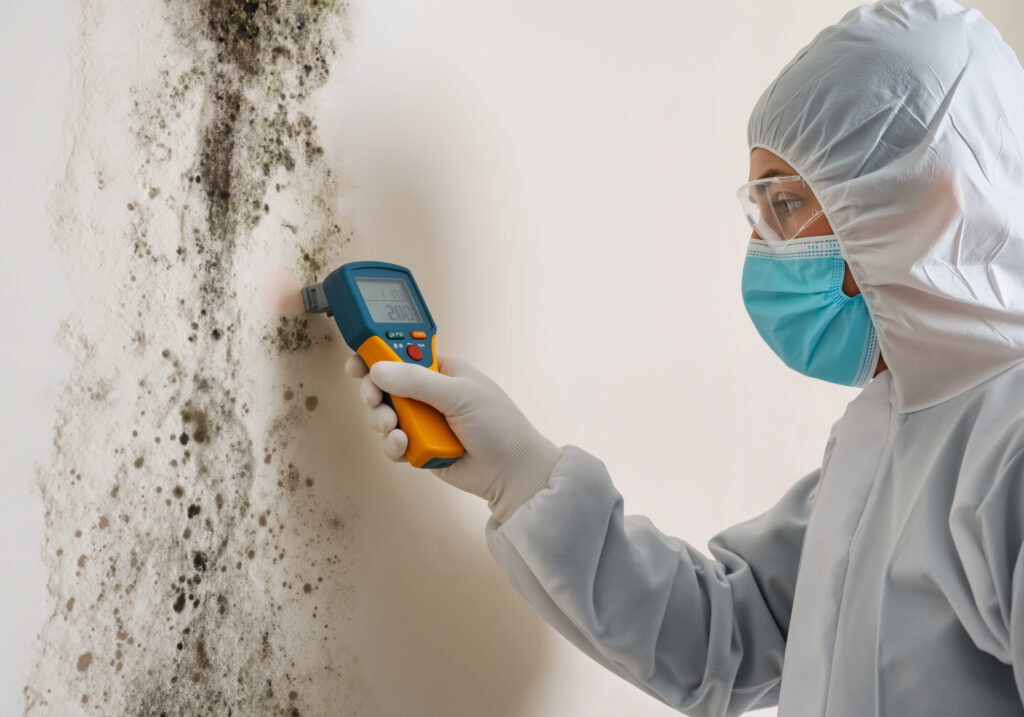
A mold assessment is not just a visual check—it’s a structured process performed by trained inspectors using advanced tools and lab-backed testing. At Level Up Home Inspections, our mold assessments include:
✅ Visual Inspection
We check for visible signs of mold, staining, and moisture around:
- Windows and doors
- Attics and crawlspaces
- Kitchens and bathrooms
- Basements and slab edges
- HVAC components
✅ Moisture Detection
We use moisture meters and infrared cameras to detect leaks or damp spots behind walls, under floors, or in ceilings.
✅ Air and Surface Sampling (if needed)
We collect air or swab samples and send them to a certified microbiology lab to identify the exact species and concentration of mold.
✅ Detailed Report with Guidance
You receive a comprehensive report outlining findings, potential causes, and recommendations for remediation (if necessary).
Health & Safety Concerns
Some people are more sensitive to mold than others. Exposure can lead to:
- Respiratory irritation or asthma attacks
- Headaches and fatigue
- Skin and eye irritation
- Increased issues in immunocompromised individuals
“Prolonged exposure to mold spores may worsen asthma or cause allergic reactions.”
— Centers for Disease Control and Prevention (CDC)
Mold Hotspots in DFW Homes
We often find mold in:
- Attics with poor ventilation (especially under asphalt shingle roofs)
- Under sinks and around water heaters
- Behind drywall in flood-prone areas
- Garage conversion rooms with minimal insulation
- Condensate lines from HVAC systems
Why Choose Level Up Home Inspections?
We’re proud to serve the entire DFW Metroplex—from Plano and McKinney to Arlington and Fort Worth. Homeowners trust us because:
- We’re locally experienced and understand Texas weather patterns
- We use state-of-the-art tools including FLIR infrared cameras
- We offer unbiased third-party testing—we don’t profit from remediation
- Our reports are clear, actionable, and delivered fast
What to Do If You Suspect Mold
If you notice musty odors, visible discoloration, or frequent allergies indoors:
- Don’t try to remove mold yourself—disturbing it can make it worse.
- Call a professional like Level Up Home Inspections for an assessment.
- Document any leaks or moisture issues you’ve had.
- Don’t delay—mold can grow rapidly and cause escalating damage.
Final Thoughts
Mold isn’t just a stain on your wall—it’s a sign that your home’s health may be compromised. In the DFW climate, the risk is real. Whether you’re moving into a new home, maintaining a rental, or just being proactive, a mold assessment from Level Up Home Inspections gives you the clarity and peace of mind you need.
📞 Schedule Your DFW Mold Assessment Today
Reach out to Level Up Home Inspections to schedule your professional mold assessment. We’re here to help you breathe easier—literally.
References:
- U.S. EPA – Mold Resources: https://www.epa.gov/mold
- Centers for Disease Control and Prevention – Mold and Health: https://www.cdc.gov/mold/faqs.htm