
Specialty services
Aerobic Septic Inspections in Dallas-Fort Worth
A focused visual review of accessible aerobic septic components and available records, helping Dallas-Fort Worth homeowners understand observed conditions and when specialist follow-up is appropriate.
Schedule this inspectionSeptic System Context
A focused look at aerobic septic systems
An aerobic septic inspection is a focused part of a home inspection when a Dallas-Fort Worth property uses an on-site sewage facility with aerobic treatment. Level Up Home Inspections documents visible conditions and helps you understand which questions should move to a qualified septic professional during a purchase, sale, or ownership review.
Wade Larimer, Owner and Lead Inspector, holds TREC #25012, Mold Assessment Technician #1538, and TDA Technician #0952210. His visual observations and the available system history give you organized information for evaluating the property, discussing concerns with the seller or agent, and planning appropriate maintenance-provider follow-up.
A focused visual review of accessible aerobic septic components and available records, helping Dallas-Fort Worth homeowners understand observed conditions and when specialist follow-up is appropriate.
A focused plan starts with your property
Look closely. Decide clearly.
Access & records
Discuss system details, visible access points and available maintenance information.
Observable operation
Review accessible equipment and system operation where safe and practical.
Service context
Use inspection observations and available records to inform maintenance, pumping or specialized testing when appropriate.
A closer point of view
Know what can be observed today.
Access, service history and observable operation provide a practical snapshot to inform maintenance planning and questions about system performance.
Visible components and accessible areas
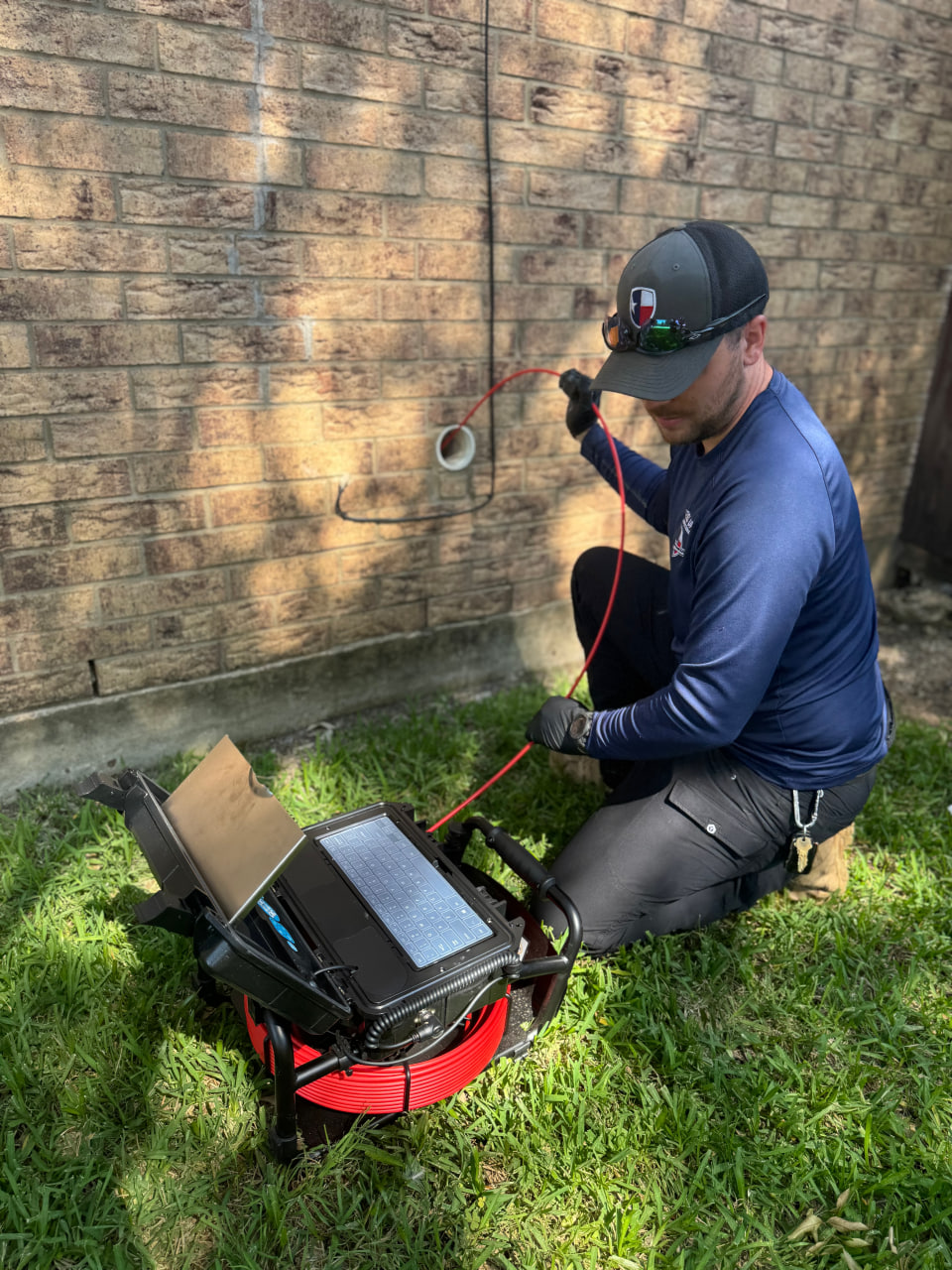
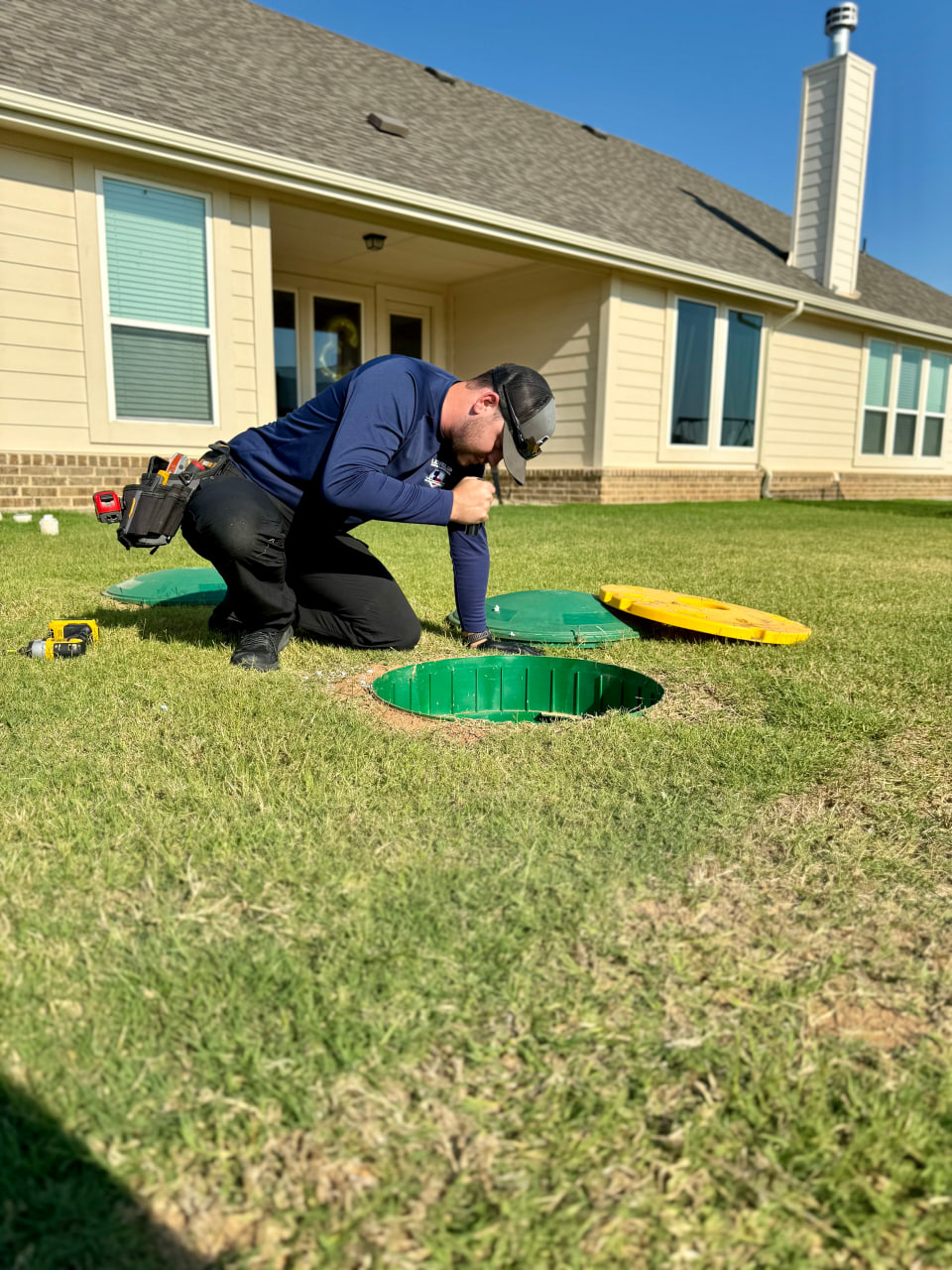
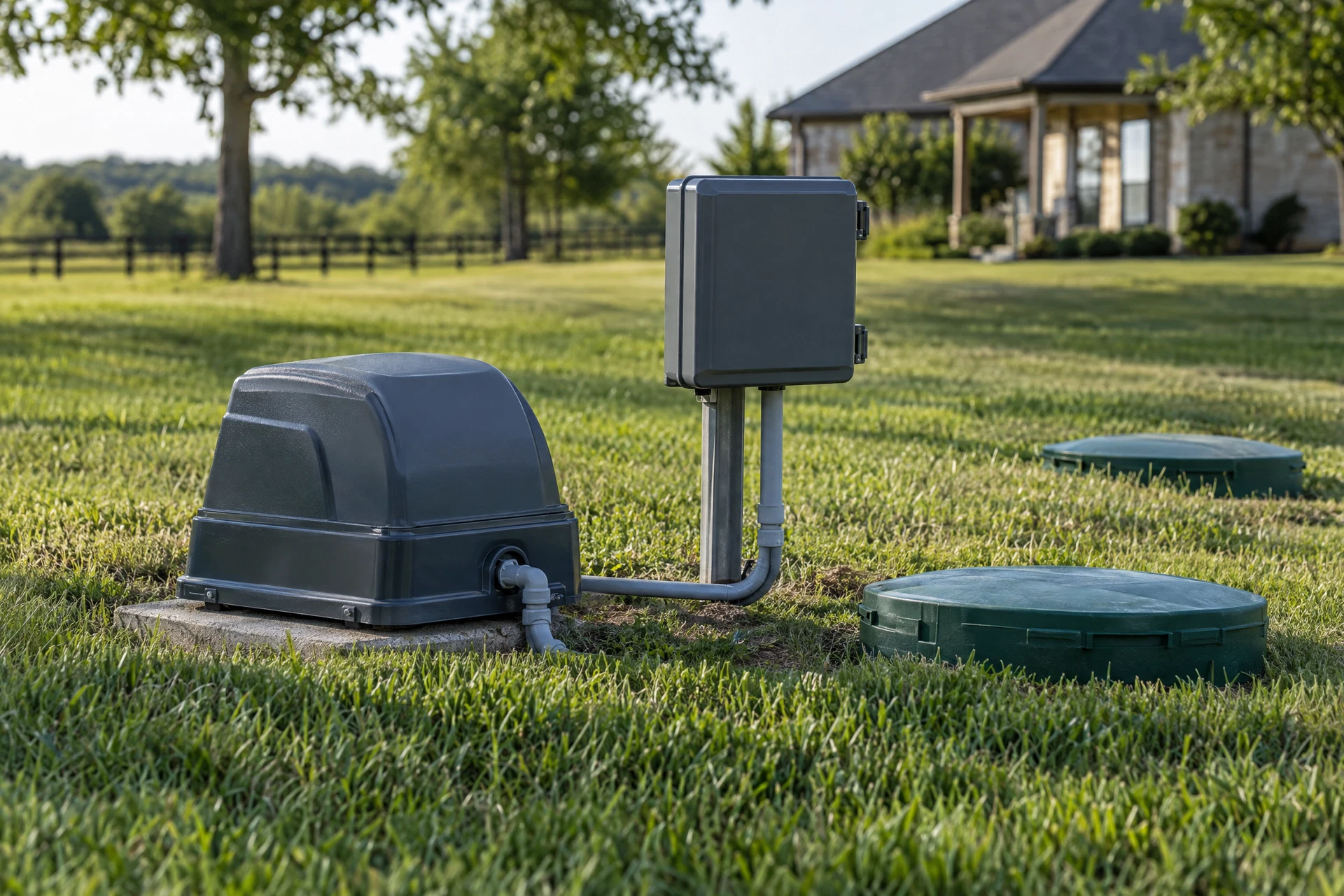
When access, weather, and safety permit, the review may include visible aerobic equipment, exterior control panels and alarm indicators, accessible lids or risers, visible piping or conduit, and observable discharge or irrigation components. We note visible damage, exposed materials, unexpected alarm status, and conditions that merit a closer look.
The inspection connects the visible equipment, panel indicators, surrounding conditions, and available records into a clear inspection-day snapshot. The report identifies the areas observed and documents access conditions so you and a maintenance provider can focus later service or testing on the components that need a closer evaluation.
Records that help explain the system
Aerobic-system paperwork can be as useful as what is visible in the yard. If available, we can review the permit or approved plan, installation information, maintenance agreement, service reports, repair invoices, and notes about alarms or recurring concerns. These documents can identify the intended arrangement and items needing attention.
Records add useful context to the equipment evaluation. If the history is incomplete, ask the seller, maintenance provider, or local permitting authority for available documents so you can understand prior service and plan ongoing care.
Preparing for a useful visit
Before the inspection, share available septic documents and identify known equipment locations, alarm events, repairs, or maintenance contacts. Unlock gates that provide reasonable access, secure pets, and clear ordinary obstructions around exterior panels and visible components when safe. Normal utility service helps document conditions present during the visit.
Keep tank lids in place and leave alarm controllers and system components in their normal operating condition for the appointment. This supports a safe visual review and lets the report reflect the system’s inspection-day presentation. If an area cannot be safely accessed because it is locked, covered, flooded, obstructed, energized, or otherwise unsafe, the report records that condition and helps direct the next step.
Findings that call for specialist follow-up
An active or unexplained alarm, apparent equipment damage, wet or odorous conditions near accessible system areas, visible irrigation concerns, or missing maintenance documentation can point to the value of prompt specialist follow-up. The report helps you recognize these conditions and gives a licensed on-site sewage facility maintenance provider useful context for testing, troubleshooting, service, or repairs.
Texas guidance describes maintenance-provider visits as an important part of aerobic-system care: providers inspect system components, document visits, and submit required reports. Local permitting authorities may have stricter requirements. When the report identifies a concern or records point to overdue care, a qualified provider can confirm applicable local requirements and recommend the appropriate service.
Your report, access & next steps
Your report and next steps
You receive a same-day digital home-inspection report with photos and, when useful, video to show accessible conditions. It can support conversations with your agent, seller, maintenance provider, or another qualified professional. Level Up Home Inspections remains available after delivery to help you understand observations and recommendations.
Your aerobic-system report brings together inspection-day observations, supporting photos or video when useful, available record context, and practical next steps. It complements the licensed maintenance provider’s specialized testing, servicing, and repair work when those services are appropriate. For questions about your report or recommended follow-up, contact Level Up Home Inspections at (469) 405-9594 or [email protected].
Before we arrive
What to expect.
Simple access preparation and your questions help us focus the inspection on the property details that matter to you.
- A visual review of accessible aerobic-system components and surrounding conditions.
- Discussion of available permits, maintenance reports, repair records, and history questions.
- Same-day digital reporting with photos or video when useful, plus support after delivery.
- Clear recommendations for a licensed septic maintenance provider when testing, service, or repairs are needed.
Useful answers
Your questions, answered.
What can the aerobic septic portion of my report help me understand?
It gives you a documented inspection-day view of accessible components, visible surrounding conditions, panel or alarm context, and available system records. You can use that information to discuss the property with your agent or seller and to help a qualified maintenance provider target any needed evaluation, service, or repairs.
Should I provide septic-system records before the inspection?
Yes, if you have them. Maintenance agreements, service reports, permits, approved plans, alarm notes, and repair invoices add useful history to the visible site review. Together, the records and observations help you and a maintenance provider understand prior service and plan appropriate ongoing care.
When is maintenance-provider testing helpful?
Testing is a useful next step when visible conditions, alarm information, maintenance history, or the report indicate a concern that needs closer evaluation. A licensed on-site sewage facility maintenance provider can perform the specialized system testing, service, and repairs appropriate to the property.
Let's talk about your property