Specialty services
Wood-Destroying Insect / Termite Inspections
A visual inspection for visible wood-destroying insect evidence and conducive conditions, with clear documentation and practical next steps for Dallas-Fort Worth homeowners.
Schedule this inspectionProtect Your Home
A Focused Look at a Common Home Concern
A wood-destroying insect inspection helps you understand what can be seen at the property on the day of the visit. It can give a buyer useful perspective before closing or help an owner address a concern, plan repairs, or maintain the home. Level Up Home Inspections serves Dallas-Fort Worth with a homeowner-first approach: observe, document, explain, and identify practical next steps.
The inspection focuses on accessible areas for visible evidence associated with wood-destroying insects, including termites, and on conditions that may make a property more favorable to activity. Your report gives you a clear, inspection-time record to support informed maintenance and follow-up decisions.
A visual inspection for visible wood-destroying insect evidence and conducive conditions, with clear documentation and practical next steps for Dallas-Fort Worth homeowners.
A focused plan starts with your property
Look closely. Decide clearly.
Visible evidence
Accessible signs of wood-destroying insect activity and damage.
Conducive conditions
Moisture, wood-to-soil contact and other observable conditions that deserve attention.
Scope & response
Use documented evidence and conducive conditions to discuss appropriate treatment and prevention options with a qualified provider.
A closer point of view
Evidence and conditions both matter.
A visible sign of activity and a condition that favors activity are not the same thing. Clear reporting helps you understand the difference.
Visible Evidence and Findings We Document
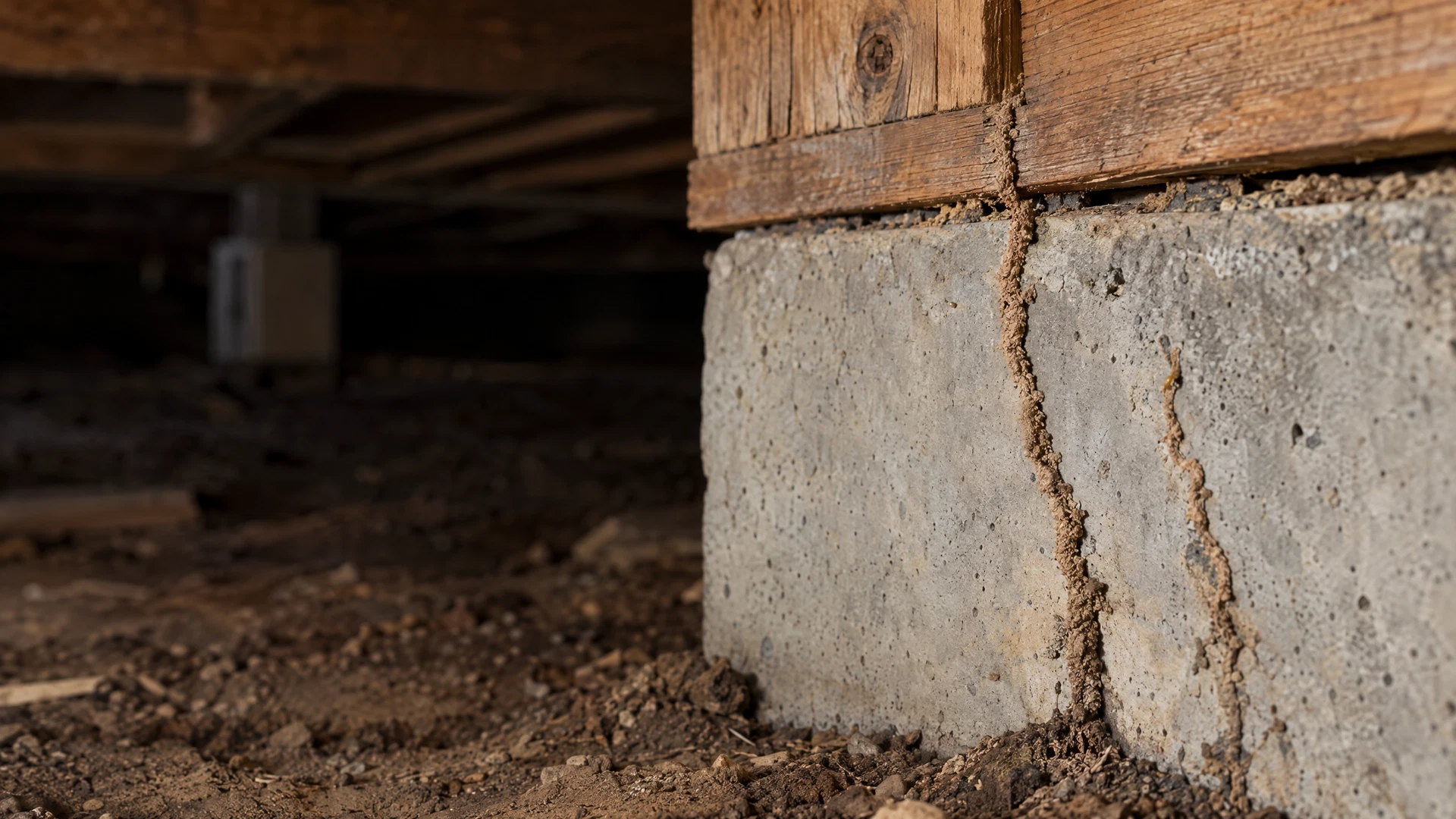
Your inspector looks for visible, accessible signs such as altered or damaged wood, insect debris, discarded wings, shelter-tube-like material, or other conditions that warrant attention. When an observation needs more evaluation, the report clearly separates the visible condition from questions a qualified specialist can help answer about insect type, extent, timing, or activity.
Photos and, when helpful, video add context for visible conditions. We explain the location and why an observation matters, so you can communicate efficiently with a qualified pest-management provider, contractor, or other specialist.
Conducive Conditions Around the Property
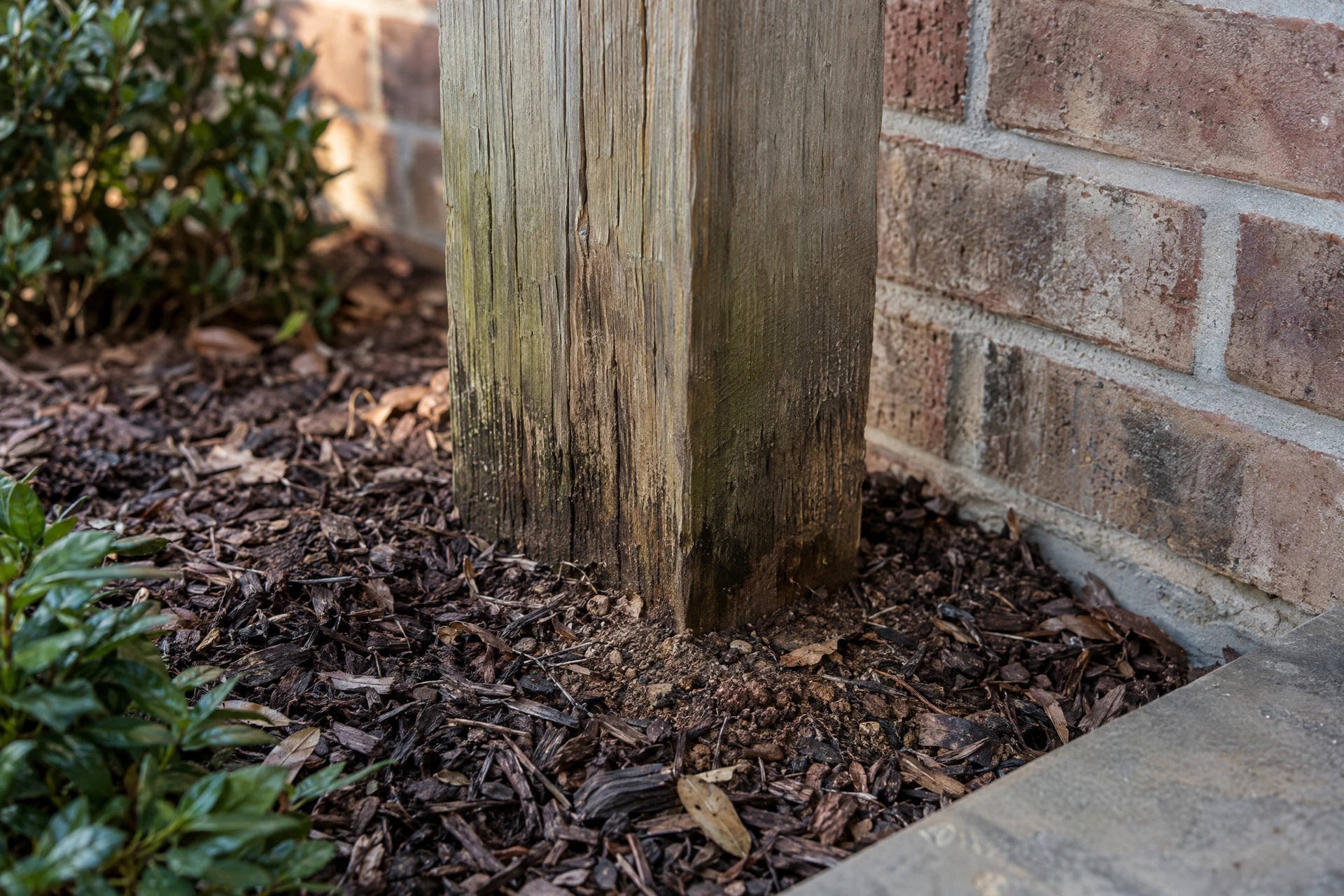
Not every concern is visible damage. Persistent moisture, wood-to-soil contact, vegetation or stored materials against the structure, drainage concerns, and limited exterior or crawlspace clearance can make inspection or maintenance more difficult. We note visible conditions that may be conducive to activity or deserve correction for sound property care.
The report identifies conducive conditions separately from visible insect evidence, helping you prioritize straightforward property care. Keeping drainage paths working, avoiding wood against the structure, and maintaining reasonable access around exterior and foundation areas are practical maintenance measures that support a more manageable home exterior.
How to Prepare for the Inspection
Clear, safe access creates a more useful inspection. If practical, unlock gates, garages, sheds, and accessible crawlspace entries; move stored items away from exterior walls safely; and identify known concerns before the visit. Do not disturb suspected evidence, apply products immediately beforehand, or risk injury moving heavy belongings for the inspection.
Access to furnishings, stored belongings, landscaping, locked spaces, standing water, pets, unsafe conditions, and construction materials helps determine what can be documented. Point out any area you want reviewed at the appointment, and the report will identify material access conditions relevant to the inspection.
Clear Reporting and Support Afterward
Wade Larimer, Owner and Lead Inspector, brings TREC #25012, Mold Assessment Technician #1538, and TDA Technician #0952210 credentials to Level Up Home Inspections. You receive a same-day digital home-inspection report with photos and video when applicable, making documented observations easier to review and share with the professionals you choose.
Support continues after delivery. Call (469) 405-9594 or email [email protected] to clarify the documented observations and limitations or schedule service in the Dallas-Fort Worth area.
Your report, access & next steps
Your Report and Recommended Next Steps
Your report brings together the visible evidence, conducive conditions, photos or video when applicable, and material access conditions documented during the visit. The visual review covers readily visible, accessible areas at the time of the inspection, giving you organized information for maintenance planning, real-estate decisions, or a focused specialist conversation.
When evidence, conducive conditions, or access conditions raise concern, a qualified pest-management provider or other appropriate specialist can help evaluate treatment, concealed areas, repairs, or further investigation. This coordinated next step helps you move from a documented observation to the appropriate solution for the property.
Before we arrive
What to expect.
Simple access preparation and your questions help us focus the inspection on the property details that matter to you.
- A visual review of safely accessible interior, exterior, foundation, and crawlspace-related areas as conditions allow.
- Documentation of visible evidence and conducive conditions, with photos or video when helpful for clarity.
- A same-day digital home-inspection report identifying observations, material limitations, and recommended next steps.
- Post-report support to clarify findings and determine when specialist follow-up is appropriate.
Useful answers
Your questions, answered.
What does a wood-destroying insect inspection cover?
The inspection documents visible evidence and conducive conditions in areas that are safely accessible at the time of the visit. Because insects and damage can be concealed or develop after an inspection, the report provides a documented snapshot rather than a pest-free guarantee.
What should I do if the report identifies possible evidence or a conducive condition?
Review the documented location and recommendation, then contact a qualified pest-management provider or other appropriate specialist when further evaluation, treatment assessment, repair, or invasive investigation is advised. Correcting visible maintenance concerns can also improve access and help protect the property.
Will I receive results on the same day?
You will receive a same-day digital home-inspection report with documented observations and photos or video when applicable. If the report identifies a condition that merits further evaluation, it gives you clear locations and observations to share with the appropriate specialist.
Let's talk about your property