Engineering & property analysis
HUD 92051 Compliance Inspection Report (FHA)
HUD 92051 compliance reporting for specified FHA construction or repair conditions. Confirm lender requirements, inspection scope and report review.
Discuss this serviceConstruction Documentation With Clear Roles
What the HUD-92051 Report Is Designed to Document
A HUD-92051 Compliance Inspection Report provides a structured record of identified lender-required construction, repairs, or conditions completed for an FHA-insured property. Level Up Home Inspections is not an engineering firm; its inspectors perform the field visit and document agreed items through visual observations, photographs, and relevant measurements.
Noble Engineering Services' licensed professional engineer is exclusively responsible for engineering analysis, conclusions, recommendations, and any signed or sealed engineering report applicable to the assignment. The engineer reviews Level Up's field findings and supporting documentation, determines whether identified items have been completed in accordance with applicable requirements, and provides the completed HUD 92051 report for lender submission. The report gives the mortgagee a clear, assignment-specific record for its review.
HUD 92051 compliance reporting for specified FHA construction or repair conditions. Confirm lender requirements, inspection scope and report review.
The right expertise for the question
Clarify the question. Plan the next step.
The lender’s request
Identify the specific construction or repair condition and the documentation needed for the file.
Observable completion
Level Up inspects and documents the identified work; Noble’s licensed engineer reviews the findings against applicable requirements.
Report prepared for the lender file
Noble Engineering Services’ licensed professional engineer provides the engineering review and completed HUD 92051 report for lender submission, giving the lender a documented basis for its file review.
A closer point of view
Start with the written condition.
The lender’s request sets the question. Confirm the required inspection stage, qualifications and review process before arranging a compliance visit.
Coordinated Field, Engineering, and Lender Review
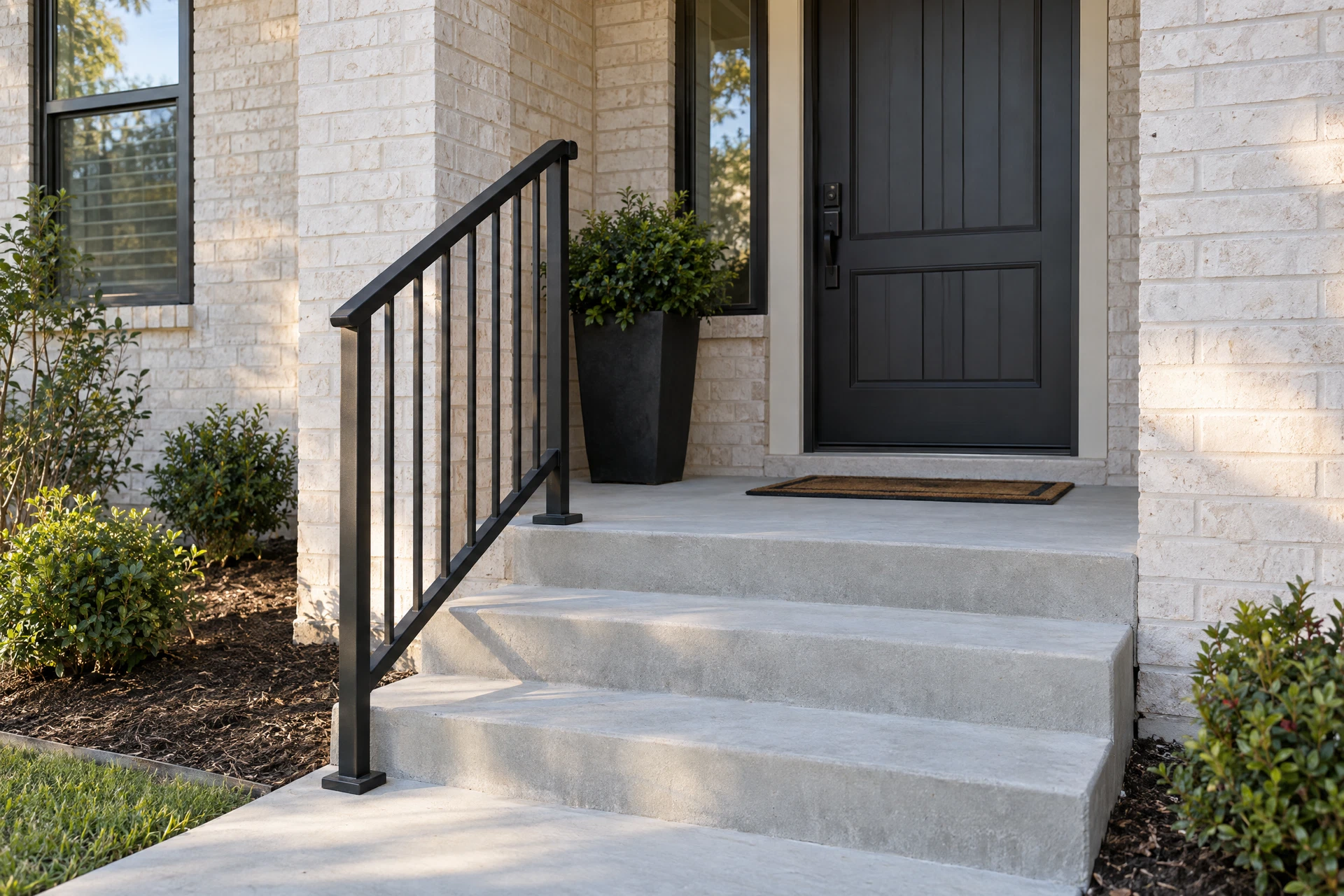
A coordinated workflow connects Level Up's site documentation, Noble's professional engineering review, and the mortgagee's case review. Field observations and supporting photographs give Noble's licensed professional engineer a focused record to evaluate against the accepted construction exhibits and lender-required conditions for the selected inspection stage.
Before scheduling, confirm the lender-required inspector qualifications, report signatory, lender reviewer, and documentation expected for the specific case. Establishing these details early helps align the site visit, engineering review, report routing, and the mortgagee's next decision.
Match the Visit to the Construction Stage
HUD-92051 materials accommodate initial, framing, final, repair, and other inspection stages. The key question is which stage is being evaluated and which accepted plans, specifications, change documentation, or conditions apply at that point in the work.
For final and repair reporting, identify the construction stage, defined repair items, site-contact plan, and report-routing requirements before the visit. Noble's completed HUD 92051 report is then provided for lender submission with the documentation the mortgagee requires for its current workflow.
Scope Follows Accepted Construction Exhibits
A productive compliance inspection starts with accepted construction exhibits and written lender conditions. Plans, specifications, approved changes, prior reports, and repair requirements provide the comparison point for site conditions and any correction or follow-up.
Using the accepted exhibits keeps the visit focused on the agreed construction or repair items and creates a useful comparison between the site record and the documented requirements. Questions that call for trade, design, engineering, code-official, or lender interpretation can be clearly identified for follow-up by the appropriate qualified party.
Prepare the Record and the Site Before the Visit
Send the FHA case number, lender conditions, accepted plans or specifications, approved changes, relevant prior reports, and defined repair items when available. Identify the work stage. Complete records keep the observation tied to the assignment instead of assumptions about what was intended.
Arrange safe access to agreed work areas and identify the people who can address site questions. Having the requested areas available and the relevant site information ready helps the inspector document visible conditions efficiently and lets the team coordinate follow-up for any area that cannot be observed during the visit.
Your report, access & next steps
A Documented Record for the Next Decision
Customers receive a clearly documented record of the visit purpose, observed conditions within scope, and identified lender-required construction or repair items. When Noble's licensed professional engineer determines that an item needs attention, the engineering review identifies the applicable correction or next action so the defined work can move forward with a clear record.
Level Up organizes requested site documentation and confirms the field scope before scheduling. Noble provides the engineering review, conclusions, recommendations, and completed HUD 92051 report for lender submission, giving the mortgagee a well-organized basis for its next case decision.
Before we arrive
What to expect.
Relevant documents, a clear question and practical access details help us prepare a focused visit and useful next steps.
- Provide the FHA case number and mortgagee’s written conditions to confirm the requested purpose and review path.
- Share accepted plans, specifications, approved changes, prior reports, and defined repair items relevant to the visit stage.
- Arrange safe access to agreed work areas, identify site contacts, and share any access details so the visit can focus on the requested documentation.
- Confirm required inspector qualifications, report signatory, lender reviewer, site-copy handling, and repair-follow-up scope in advance.
Useful answers
Your questions, answered.
When is a HUD-92051 report used?
A HUD-92051 report is used for particular FHA construction or repair circumstances and the mortgagee’s process. Confirm with the mortgagee whether it is needed for the case, which inspection stage applies, and which official documentation and review path are required.
What does the compliance visit focus on?
The visit focuses on agreed construction or repair documentation and visible site conditions tied to the lender’s written conditions and accepted exhibits. An FHA appraisal, a general home inspection, and a foundation certification each serve separate purposes and are coordinated through their own applicable process.
Who prepares the report for lender submission?
Level Up collects the agreed field observations, photographs, and relevant measurements. Noble Engineering Services’ licensed professional engineer reviews that documentation, provides the engineering conclusions required for the assignment, and supplies the completed HUD 92051 report for lender submission. Confirm the authorized signatory and lender reviewer before engagement.
How does the report support the lender’s review?
The report organizes the site record and Noble’s engineering review around the identified construction or repair conditions, helping the mortgagee evaluate the case with its required documentation. Any HUD or FHA certification requested for the case depends on applicable property requirements, required documents, and the mortgagee’s review; the mortgagee makes the financing decision.
Let's talk about your property