
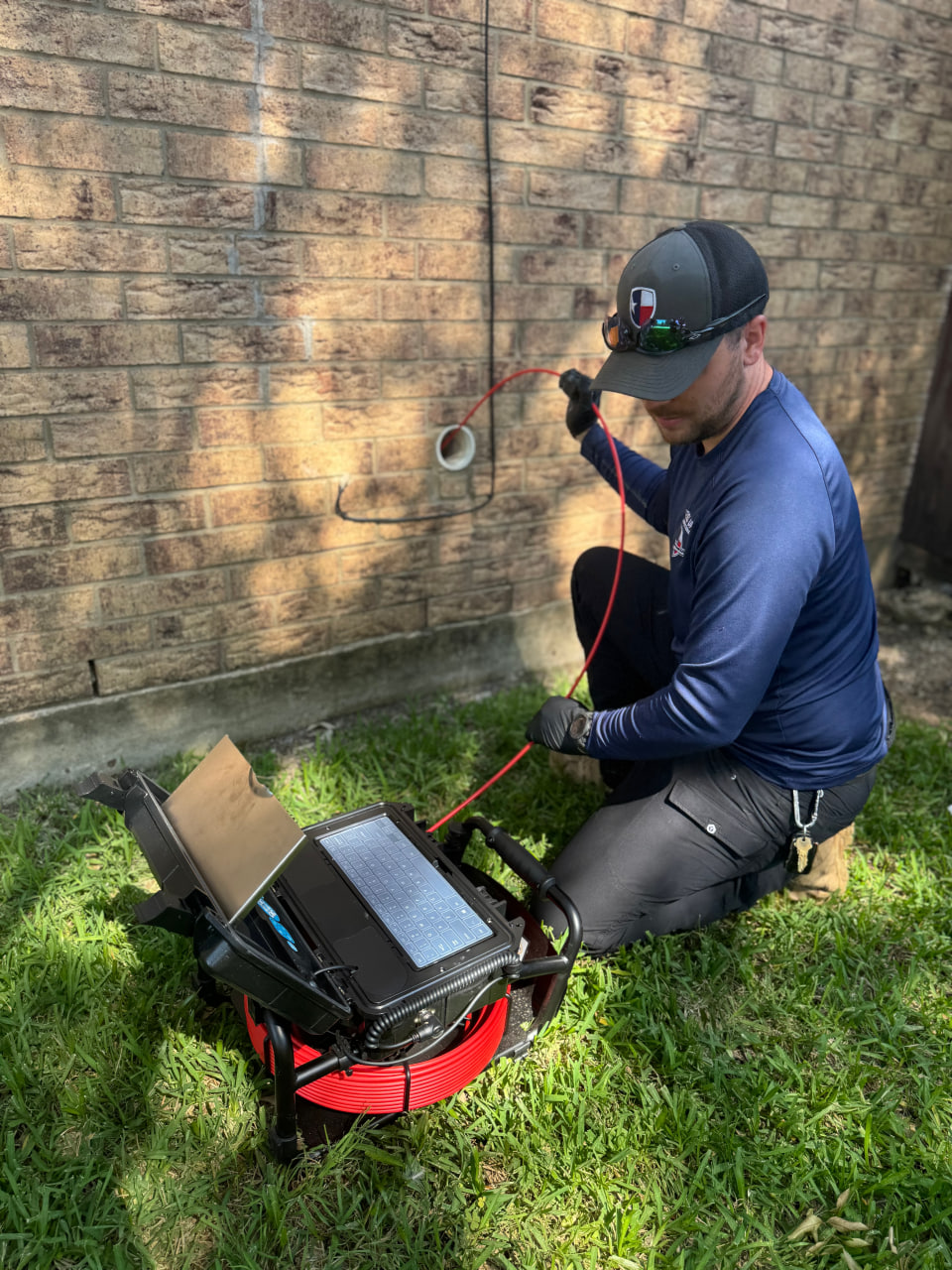

Core inspection services
Commercial Inspections
A property-specific commercial inspection that documents visible conditions, clarifies priorities, and helps Dallas-Fort Worth owners and buyers organize capital decisions with practical next steps.
Schedule this inspectionPlan With Clarity
A Commercial Inspection Built Around the Property
Commercial property decisions need more than a component list. Age, occupancy, improvements, maintenance history, equipment, site features, and intended use shape what deserves attention. Level Up Home Inspections tailors the inspection to the property and your decision: acquisition, leasehold responsibility, project planning, or review of an asset you already own.
Before the visit, Wade Larimer, Owner and Lead Inspector, discusses the property type, known concerns, available records, access, and priorities. Wade holds TREC #25012, Mold Assessment Technician #1538, and TDA Technician #0952210. That conversation helps focus the inspection on the building and the decisions you need to make, with documented observations you can use during property planning or a purchase discussion.
A property-specific commercial inspection that documents visible conditions, clarifies priorities, and helps Dallas-Fort Worth owners and buyers organize capital decisions with practical next steps.
A focused plan starts with your property
Look closely. Decide clearly.
Building condition
Visible accessible structure, exterior and interior conditions within the agreed scope.
Installed systems
A practical look at accessible mechanical, electrical and plumbing components.
Due-diligence context
Plan next steps for specialized systems, environmental questions or design reviews when those questions arise.
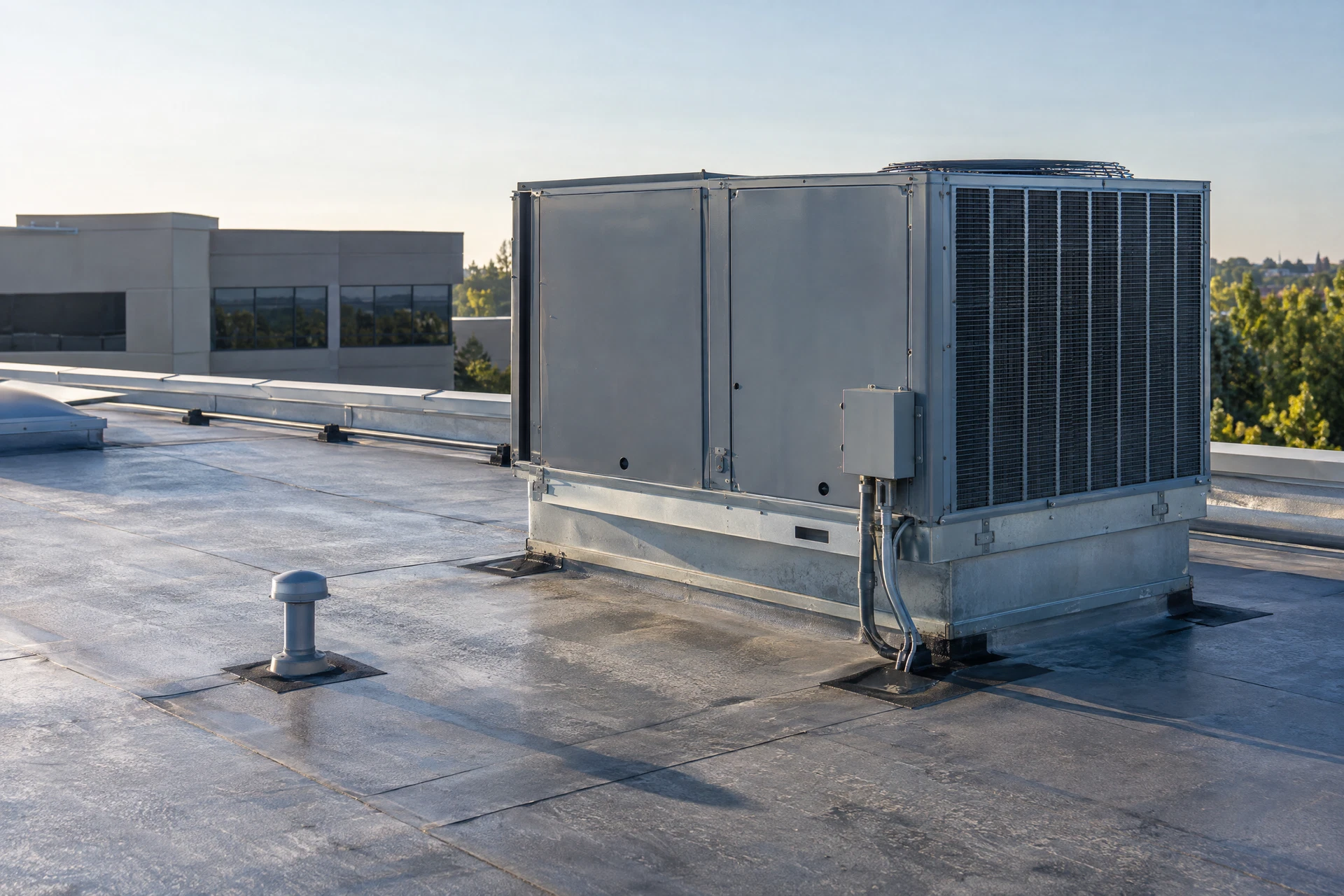
A closer point of view
Start with the property and intended use.
A useful commercial inspection scope reflects the building, accessible systems and the questions behind your purchase or lease.
Scope That Follows Real-World Questions
The inspection reviews readily visible and accessible areas and systems that matter to building condition and operation. Depending on the agreed scope, that may include exterior surfaces, accessible roof observations, drainage, parking and walkways, structure, interiors, plumbing fixtures, electrical components, heating and cooling equipment, and signs of moisture or deterioration.
An office, retail suite, warehouse, mixed-use building, or multi-tenant site does not present the same risks or access conditions. Planning the scope around building use, tenancy, access, and known concerns helps produce a report that supports the decision at hand. When records, targeted testing, or specialist review would add needed information, the report identifies the most useful next step.
Turning Observations Into Capital Priorities
A useful report does more than record defects. It helps distinguish conditions that may affect safety, active water management, building function, or near-term maintenance from items that can be monitored or incorporated into a longer-range plan. Findings help owners, buyers, property managers, and advisors discuss timing, responsibility, and next steps with appropriate contractors.
The report provides a documented starting point for planning: conditions needing prompt attention, systems that merit contractor evaluation, and maintenance items to consider in reserves and project planning. For a transaction, that perspective supports focused due diligence and gives stakeholders a clearer basis for obtaining repair scopes, pricing, and technical input.
Clear Documentation While Details Are Fresh
Level Up Home Inspections provides a same-day digital inspection report with photos and, when helpful, video to make findings easier to locate and discuss. Visual documentation is useful when stakeholders are not present or a contractor needs to understand the observed condition.
Support is available after delivery to help you understand what was observed and how recommendations fit together. When an issue needs a licensed trade, engineer, roofing professional, environmental professional, or another qualified specialist, the report can frame that follow-up. Discuss your project at (469) 405-9594 or [email protected].
Prepare for a More Productive Visit
Good access produces a more useful inspection. Arrange entry to tenant spaces, mechanical and electrical rooms, roof access points, storage areas, and other relevant locations when they are part of the agreed scope. Unlock gates and panels where appropriate, move stored materials from key equipment when possible, and share escort procedures, safety requirements, site contacts, alarms, or restricted areas.
Maintenance records, repair invoices, prior reports, permits, equipment lists, or known leak and drainage history can add context. Together with the field observations, these records help focus questions and guide maintenance or investment planning.
Your report, access & next steps
Report Context and Productive Next Steps
The report documents visual, noninvasive field observations from readily visible and accessible areas within the agreed scope. Site operations, tenant access, weather, stored contents, safety procedures, and available equipment access provide helpful context for understanding the observations and planning any follow-up.
When a condition benefits from further evaluation, the report directs the client toward the appropriate licensed trade or qualified specialist. That focused next step can clarify repair scopes, timelines, and capital decisions while keeping follow-up aligned with the property’s needs.
Before we arrive
What to expect.
Simple access preparation and your questions help us focus the inspection on the property details that matter to you.
- A pre-inspection discussion focused on the property, intended decision, and access needs.
- A visual review of agreed, readily visible and accessible areas and systems.
- A same-day digital report with photos and, when helpful, video documentation.
- Post-report support and clear recommendations for specialist follow-up when appropriate.
Useful answers
Your questions, answered.
Can a commercial inspection help with capital planning?
Yes. The report organizes observed conditions into next steps: prompt attention, contractor evaluation, monitoring, or future maintenance planning. Those documented priorities help stakeholders focus contractor conversations, repair scopes, pricing, and reserve planning; qualified specialists supply pricing and technical opinions for budget or schedule decisions.
What should I provide before the inspection?
Share the intended use, concerns, access procedures, and areas you want reviewed. Provide repair history, prior reports, permits, and equipment information if available. Arrange safe access to spaces and components included in scope, including applicable roof or mechanical areas.
How does the inspection help when an area or system needs more information?
The report documents conditions visible and accessible during the visit and identifies areas that need additional information. Where building use, access, safety, or concealed construction calls for deeper evaluation, it points to the appropriate licensed trade, engineer, or specialist so the next step is targeted.
Let's talk about your property