
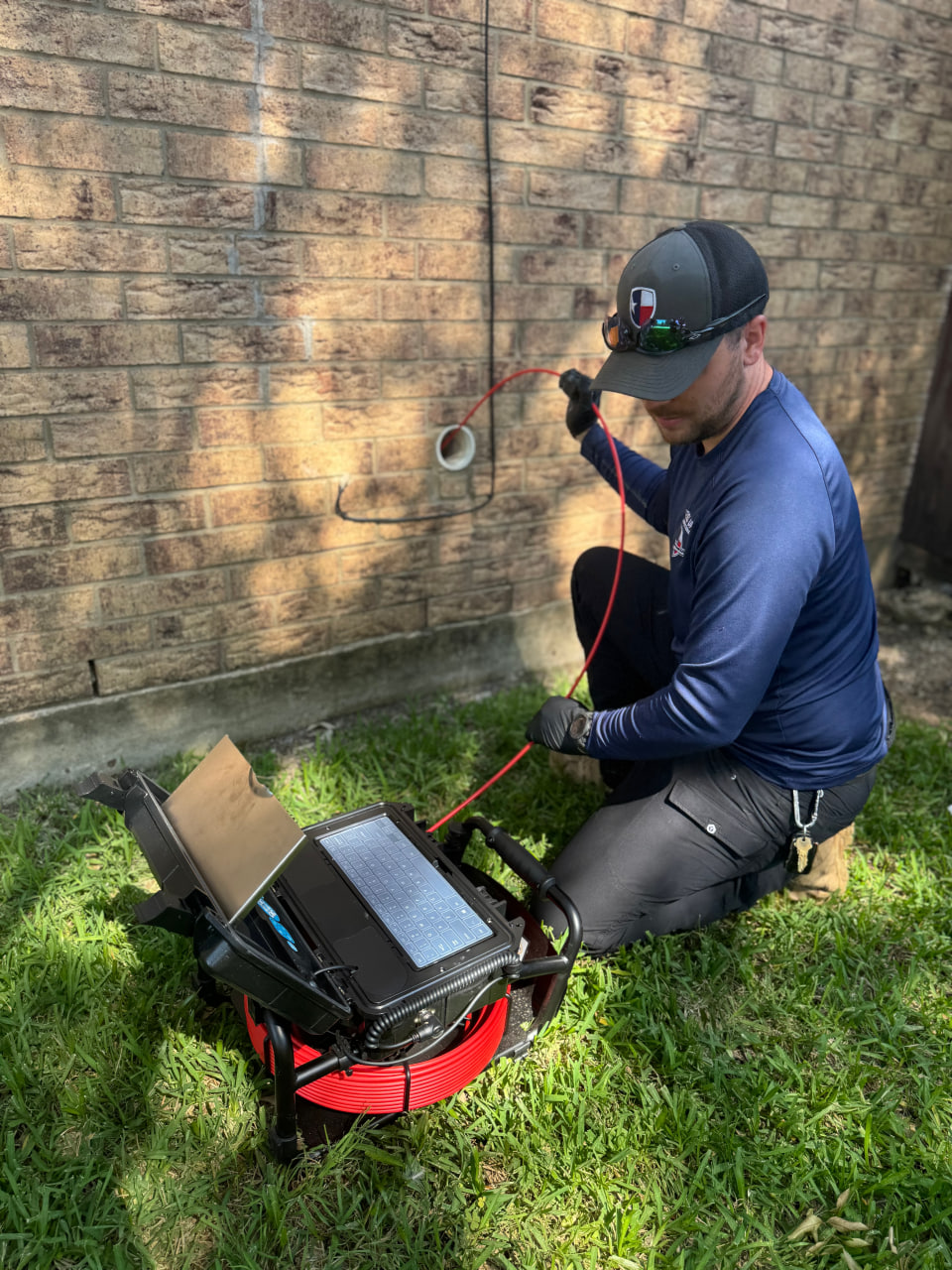
DFW Homebuyer Inspection Planning
Dallas Home Inspection: Your Option-Period Repair Plan
A homeowner education article from Level Up Home Inspections.
Level Up Editorial Team
3 min read

Start with your signed contract
A Dallas home inspection turns a showing impression into a documented set of decisions. Start your repair-planning calendar with the effective date and option-period deadline in your signed agreement. The TREC resale form provides a blank for the negotiated number of option days, making your signed contract the practical starting point for scheduling the inspection and any follow-up conversations.
That form states that termination notice under its option provision is due by 5:00 p.m. local time where the property sits on the stated date. Your real-estate agent or attorney can help you apply the contract’s particular notice and negotiation terms; the inspection gives you information for that conversation.
Use the report as a decision record
A Dallas–Fort Worth home inspection from Level Up is designed to organize observed conditions on the inspection date. You receive a same-day digital report with photos and, when useful, video. That record makes it easier to revisit a location, show the same observation to your agent, and ask a seller or qualified professional a specific question after the walkthrough.
Bring questions from your showings, planned renovations, and seller documents to the appointment if you can attend. Useful report notes connect each observation with its location and the conditions at the visit. Confirm utilities and access with the seller beforehand so accessible systems can be reviewed, and use any noted access issue to organize a specific follow-up question with your agent.
Sort findings by the next step
Start by separating ordinary maintenance from items that need a timely question, a repair discussion, or closer evaluation. The useful priority is not simply the order in which an item appears. Consider the reported condition, its location, whether operation or water intrusion was observed, and what documentation could clarify the decision. A photo-supported observation can keep a conversation grounded in what was actually seen.
When a finding points beyond a visual inspection, ask the appropriate specialist for a defined scope, availability, and written assessment or estimate. That can help you decide whether to seek repair, a credit, additional information, or a different contract decision with your agent’s guidance. A specialist’s opinion should add detail to the report, not replace the original observation or the deadline already running.
Make repair questions specific
Clear repair planning is especially helpful when several Dallas home systems are competing for attention. Connect each question to the report item, its photo or video, the location, and the outcome you need to evaluate. For example, ask what work is proposed for a reported condition, who would perform it, and what invoice, permit record, warranty, or other completion document may be available afterward. Your agent can frame any formal request under the signed contract.
Use precise descriptions rather than a broad request to make a house “up to code.” Tie the requested outcome to the reported condition, then ask a qualified contractor to explain the proposed work and any applicable permit requirements. This approach makes it easier to compare a seller’s response with a written contractor scope and preserve a clear record of the decision agreed during your purchase.
Preserve a useful post-closing file
If you move forward, keep the report, relevant seller materials, specialist assessments, repair records, and final agreements together. They can provide a practical starting point for future maintenance planning after you take possession. Level Up remains available to clarify what was observed in its report, while the same-day digital format gives you a record to review with the people handling any next work.
To set the inspection in motion, schedule your inspection around the timeline in your contract. If a home’s plumbing merits a closer purchase question, learn how sewer footage fits an older-home purchase. Buyers planning a new build can also see how pre-drywall questions can be documented before finishes cover the work.

Home Inspection Information
Mold Assessments in DFW: Why It Matters and How Level Up Home Inspections Can Help
Read article
Home Inspection Information
5 Electrical Issues Every Homebuyer Should Recognize
Read article
Home Inspection Information